June 16, 2026
Remote work has revolutionized how businesses operate, but it has also created unprecedented challenges for data leakage protection. When employees access sensitive information from home and using personal devices, traditional security measures often fall short. The rise of insider threats—particularly data leaks through screenshots and phone photos—has exposed a critical vulnerability that most organizations struggle to address.
This comprehensive guide explores how modern data leakage protection solutions can secure your distributed workforce against the analog hole—the moment when data becomes visible on a screen and vulnerable to undetectable capture.
What is Data Leakage Protection and Why Remote Work Changes Everything
Data leakage protection refers to security measures designed to prevent unauthorized transmission of sensitive information outside an organization. Traditional data leakage protection systems focus on monitoring network traffic, encrypting files, and controlling access permissions. However, these solutions were designed for office environments where IT teams maintained direct oversight of devices and networks.
The shift to remote work has fundamentally altered the data leakage protection landscape. According to recent industry research, 68% of security professionals report increased difficulty detecting insider threats in distributed work environments. The challenge stems from a simple reality: when sensitive data appears on an employee's screen at home, they can photograph it with their personal phone—and traditional data leakage protection tools never see it happen.
How Remote Work Widened the Analog Hole in Data Leakage Protection
The analog hole represents the critical moment when digital security protections end—when access-controlled data becomes visible to the human eye. At this point, data leakage protection measures like encryption and endpoint DLP lose their effectiveness. Understanding why this vulnerability has expanded is essential for implementing effective data leakage protection strategies.
Work-from-Home Environments Eliminate Physical Oversight
When employees work from home, IT security teams lose the physical oversight that once deterred simple screen photography. Employees access corporate portals and digital workspaces and their personal smartphones are within arm's reach. A quick photo captures sensitive information without triggering alerts on managed devices. This gap in data leakage protection and physical oversight creates an environment where low-tech leaks occur undetected.
Browser-Based Portals Aggregate Sensitive Data
Modern employee portals and digital workspaces (such as SAP Work Zone, Microsoft Viva, and custom intranets) consolidate dashboards, analytics, and business intelligence in a unified interface. While this improves productivity, it also concentrates valuable information in easily photographable formats. Comprehensive data leakage protection must account for these aggregation points where multiple sensitive data streams converge.
BYOD Policies Blur Security Boundaries,
Bring-Your-Own-Device policies enable contractors, partners, and remote staff to use unmanaged personal devices for job-related activities. These devices exist outside traditional data leakage protection controls, creating blind spots in organizations’ security infrastructure. When partners access shared business data through portals on personal tablets or phones, organizations lose visibility into how that information is handled or potentially leaked.
Why Traditional Data Leakage Protection Tools Fall Short for Remote Teams
Most organizations deploy robust data leakage protection stacks, including Zero Trust architectures, advanced DLP solutions, and comprehensive endpoint protection. These tools excel at preventing unauthorized digital transmission—blocking email attachments, monitoring file transfers, and controlling USB access. However, their effectiveness ends at the screen.
Consider a financial analyst working from home who photographs a pre-earnings dashboard on their personal phone and shares it in a private Discord channel. Traditional data leakage protection systems see none of this activity because:
This post-access vulnerability represents a fundamental gap in data leakage protection strategies. The information has been accessed legitimately and displayed properly, but leaked entirely outside monitored channels. In work environments where managers, contractors, and partners regularly view sensitive data remotely, this attack surface expands dramatically.
7 Critical Data Leakage Protection Strategies for Remote Work Environments
Securing distributed workforces requires data leakage protection approaches that extend beyond traditional network perimeter defenses. These seven strategies address the unique vulnerabilities created by remote work, with particular focus on post-access protection.
1. Implement Content-Level Data Leakage Protection with Invisible Watermarking
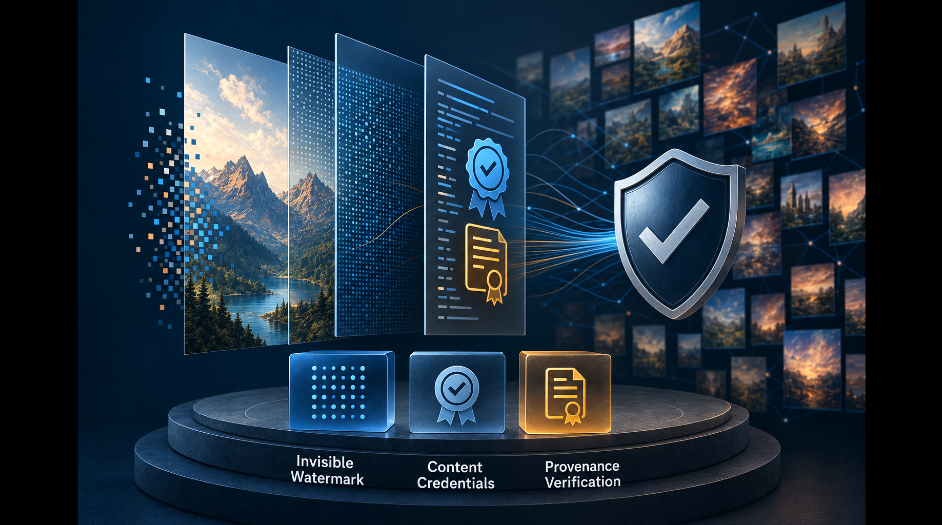
Content-level data leakage protection embeds invisible, user-specific identifiers directly into on-screen content. If information appearing in employee portals, digital workspaces, or content management systems is screenshotted or photographed, these identifiers persist in the captured image. If these images surface externally, security teams can trace them back to the specific user or session.
This approach represents the most effective data leakage protection strategy for the analog hole because it:
In a recent enterprise deployment, this data leakage protection solution protects content across tens of thousands of devices, and generates approximately 55 million covert security layers annually with no reported impact on productivity. When leaked screenshots surfaced, security teams quickly identified the source and prevented future incidents.
2. Deploy Zero Trust Architecture as Your Data Leakage Protection Foundation
Zero Trust principles assume no user or device is trusted, regardless of location. For data leakage protection in remote environments, this means:
While Zero Trust cannot prevent screen photography, it reduces the volume of sensitive data exposed to potential leakers by limiting access breadth and duration. This containment strategy complements content-level data leakage protection by minimizing the attack surface.
3. Establish Comprehensive Data Classification for Data Leakage Protection
Effective data leakage protection begins with knowing what needs to be protected. Implement automated data classification that:
Classification systems help prioritize data leakage protection investments by identifying which portals, dashboards, and systems contain the most sensitive aggregated data—the prime targets for screenshot-based leaks.
4. Enhance Endpoint DLP for Remote Data Leakage Protection
Modern endpoint data leakage protection tools detect screen capture attempts, monitor clipboard activity, and control local file operations. While they cannot prevent phone-based photography, they create friction for screen capture-based leaks. Configure endpoint DLP to:
These endpoint data leakage protection controls work best on managed corporate devices.
5. Deploy User Behavior Analytics for Proactive Data Leakage Protection
User and Entity Behavior Analytics (UEBA) systems establish baseline behavior patterns and flag anomalies that may indicate data leakage protection incidents:
When integrated with content-level data leakage protection, UEBA provides early warning of potential insider threats before leaks occur. Security teams can intervene with at-risk employees proactively rather than reactively investigating after damage is done.
6. Implement Secure Access Service Edge for Network-Level Data Leakage Protection
Secure Access Service Edge (SASE) architectures combine network security functions with WAN capabilities, providing consistent data leakage protection regardless of user location. For remote workforces, SASE delivers:
SASE strengthens the data leakage protection perimeter for distributed teams, though it still cannot address analog hole vulnerabilities where users photograph screens with personal devices.
7. Build a Data Leakage Protection Culture Through Security Awareness
Technology alone cannot solve data leakage. Organizations must cultivate security-conscious cultures where employees understand the risks and consequences of unauthorized information sharing. Effective security awareness programs for data leakage protection include:
When employees know that content-level data leakage protection can trace leaked screenshots back to them, deterrence becomes reality. Combined with education about potential legal and career consequences, intentional leak risks are significant reduced.
Real-World Impact: Data Leakage Protection in Large-Scale Remote Deployments
Organizations implementing comprehensive data leakage protection strategies report significant improvements in security posture and incident response capabilities. One global enterprise deployed Digimarc’s leak detection solution for web content across its gworkforce to protect content accessed through the company’s content management system. Many of the organization’s tens of thousands of employees work remotely at least part of the time.
The results demonstrated the effectiveness of Digimarc’s modern approach to data leakage protection, including:
This deployment also illustrates how data leakage protection solutions designed for hybrid work realities can scale globally while maintaining seamless user experiences.
The Future of Data Leakage Protection: Post-Access Security for Hybrid Work
Remote and hybrid work models are permanent fixtures in modern business operations. As these work arrangements mature, data leakage protection strategies must evolve beyond traditional pre-access controls. The analog hole will only expand as more employees, contractors, and partners access sensitive information from diverse locations and devices.
Forward-thinking organizations are investing in data leakage protection approaches that:
Content-level data leakage protection represents the next evolution in securing hybrid work environments. By embedding invisible, traceable identifiers directly into on-screen content, organizations gain the capability to protect information at its most vulnerable moment—when human eyes can see it and cameras can capture it.
Ready to Close the Analog Hole in Your Data Leakage Protection Strategy?
Discover how Digimarc's leak detection solution for web content provides seamless, scalable post-access protection designed specifically for distributed workforces. To learn more, watch our overview video or fill out the form below to request a personalized demo to see content-level data leakage protection in action.
Share this Blog